
TIG Welding
TIG Welding of Stainless Steel Pipes for Industry
When a pipeline carries acids, chlorides, hot water or food products, the welds decide how long it lasts. A stainless steel pipe is only as corrosion resistant as its weakest joint, and a weld that looks acceptable from the outside can still hide an oxidised root that starts corroding in service. That is why TIG welding is the standard method for stainless and acid-proof pipework in demanding industrial plants.
We carry out TIG welding of stainless steel pipelines for the forest, chemical and food industries, with particular focus on acid-proof steels such as AISI 316L. Finland has a long tradition in the pulp and paper industry, and we ourselves have nearly 50 years of experience in industrial pipework.
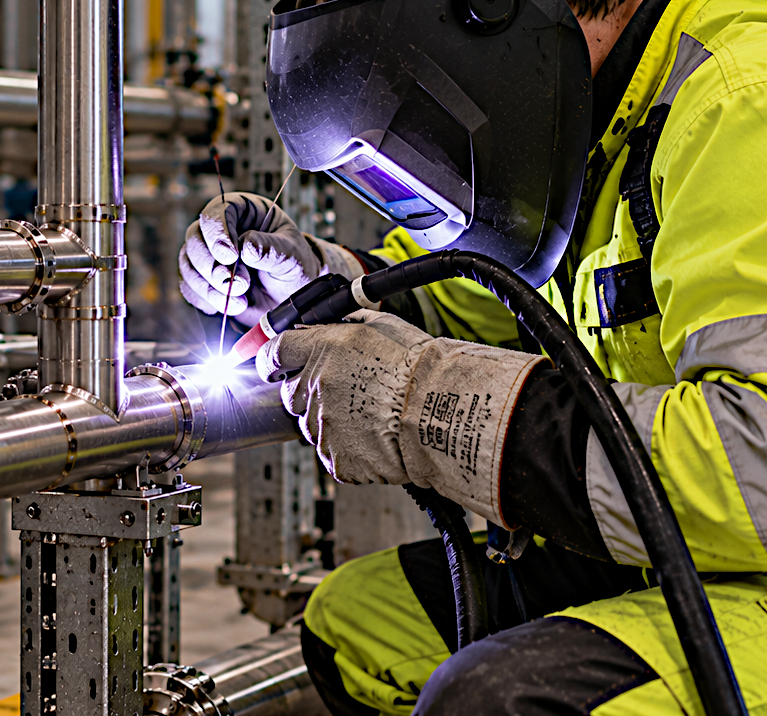
Why TIG for stainless steel pipes
TIG welding (ISO 4063, process 141) burns an arc between a non-consumable tungsten electrode and the workpiece, shielded by an inert gas, normally argon. The process gives the welder close control of heat input and the weld pool, produces no slag and almost no spatter, and leaves a clean, smooth weld bead. For stainless pipe, where the inside surface matters as much as the outside, this control is decisive. A smooth, fully penetrated root is easier to clean, less prone to crevice corrosion and less likely to trap product or process media.

Contact us
Manulankatu 6, 42100 Jämsä, Finland
+358 20 780 9430
myynti@instrumen.fi
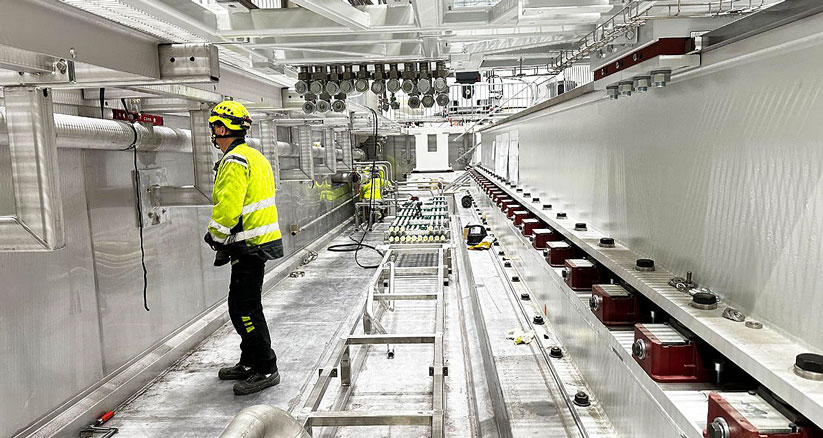
Technical Support for Industrial Solutions
Asiantuntijatiimimme kehittää ja tehostaa teollisuusputkistojärjestelmiäsi siten, että energiankulutus pienenee ja ympäristövaikutukset minimoituvat. Tarjoamme ratkaisuja, jotka parantavat sekä järjestelmän suorituskykyä että kestävyyttä pitkällä aikavälillä.
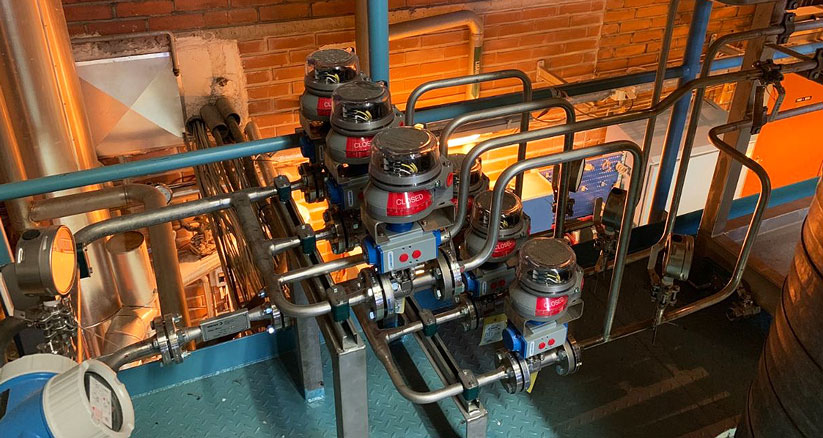
Industrial Piping Systems
Tarjoamme monipuoliset teollisuusputkistojen huolto- ja kunnossapitopalvelut, joihin sisältyvät määräaikaistarkastukset, vuotojen paikannus sekä tarvittavat korjaustoimenpiteet. Palvelumme varmistavat järjestelmien turvallisen ja häiriöttömän toiminnan.
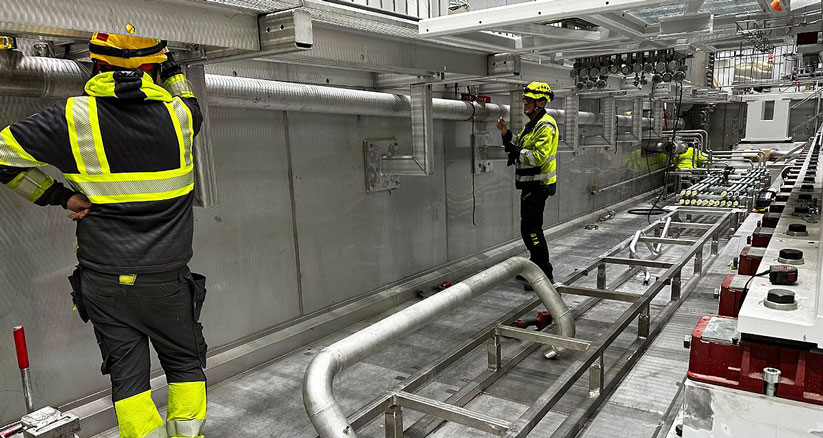
Industrial Solutions for Companies
Lupaamme tarjota asiakkaillemme laadukasta, turvallista ja asiantuntevaa palvelua teollisuusputkistojen suunnittelussa, valmistuksessa ja asennuksessa – aina ajallaan ja sovitusti. Toimimme avoimesti, kuuntelemme tarpeesi ja löydämme juuri sinulle sopivimman ratkaisun.
Choosing the right steel
Acid-proof austenitic steels such as EN 1.4404 (AISI 316L) contain molybdenum, which improves resistance to pitting in chloride-containing environments. EN 1.4432 has a somewhat higher molybdenum content. Their low carbon content reduces the risk of sensitisation, where chromium carbides form at the grain boundaries during welding and weaken corrosion resistance. Low carbon does not remove every welding-related risk, however, and no grade suits every medium. The right material is always chosen against the real process conditions: medium, concentration, temperature, chloride content and cleaning chemicals.
Protecting the root
The most common cause of poor corrosion performance in welded stainless pipe is an oxidised root. Without sufficient inert gas protection inside the pipe, an oxide layer forms on the root side of the weld, and the metal beneath it can be depleted of chromium. The result is a surface that corrodes sooner and is harder to clean. For this reason the root is purged with argon, or with another gas suited to the application and the approved welding procedure, before and during welding. The acceptable residual oxygen level depends on the application and is set in the welding procedure. Heat tint on the inside is a quick indicator: strong blue, grey or black oxides point to heavy oxidation, although colour alone is not a universal acceptance criterion.
Controlling heat and distortion
Austenitic stainless steel conducts heat poorly and expands more than carbon steel, so heat stays concentrated in the weld zone and distortion and residual stress are a real risk. Good fit-up, an even travel speed and controlled heat input keep the pipe in line and protect the microstructure. Interpass temperature is kept within the limits of the welding procedure, and the filler metal is matched to the base material, typically ER316L or ER316LSi for 316L.
Keeping the steel clean
Stainless steel loses its corrosion resistance if it is contaminated by carbon steel. Iron particles from grinding discs, brushes and tools embed in the surface and rust. Work on stainless pipe therefore calls for tools reserved for stainless steel, clean working areas and pipe ends that are protected from dirt and moisture throughout storage and installation.
Pickling and passivation after welding
Where heat tint or oxides remain after welding, they are removed mechanically or chemically. Pickling removes the oxides and the chromium-depleted layer beneath them, while passivation supports the re-formation of the protective passive film. They are not the same operation. The method is chosen to suit the material and the surface requirements and is followed by thorough rinsing, and pickling chemicals are handled according to their safety data sheets.
Quality control and documentation
Weld quality is assessed against the applicable product standard and the project requirements. ISO 5817 defines quality levels B, C and D for fusion-welded joints in steel, and the level required is specified for each project. Visual testing (ISO 17637) is the basic method, and for pipes an endoscope can be used to inspect the root. Penetrant testing (ISO 3452-1) reveals surface-breaking flaws, and radiographic testing (ISO 17636) reveals internal ones. Depending on the project, the documentation can include material certificates, weld maps, welding procedures, welder qualifications, inspection reports and pressure test reports, so that the pipework can be traced throughout its life.
Qualified welders
Our welders hold valid qualifications to ISO 9606-1, the standard for qualifying welders for fusion welding of steel. Qualification is based on a test, and its scope depends on the process, material group, joint type, dimensions and welding position, so the qualification has to match the job.
Pipework for the forest, chemical and food industries
Finland’s pulp and paper mills are among the most demanding environments for pipework. Lines run continuously and carry alkaline and acidic liquors, bleaching chemicals, hot water and steam, and a stoppage caused by a leaking weld is costly. Finnish expertise in this field is deep, and with nearly 50 years in industrial pipework we know what such plants ask of a weld.
The chemical industry demands resistance to aggressive media, and the food industry requires hygienic design, a smooth internal surface and resistance to repeated cleaning. In chloride-rich environments and at high temperatures 316L is not always enough, and alternatives such as duplex steel EN 1.4462 may be considered. The material is always chosen against the actual conditions.
Talk to us
With nearly 50 years of experience in industrial pipework behind us, we are ready to discuss your project. Contact us, and we will help you find the right solution for your plant.
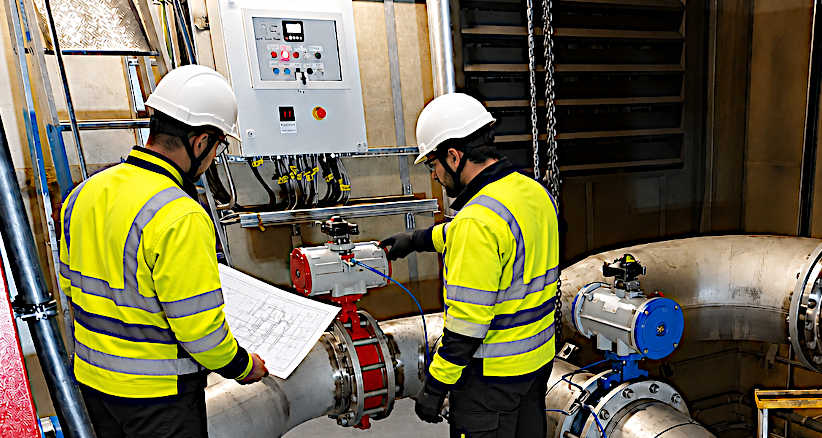
Expert Consulting
Tutustu ilmalämpöpumppu asennettuna-palveluun ja selvitä, miten saat laitteen käyttöösi helposti ja vaivattomasti.
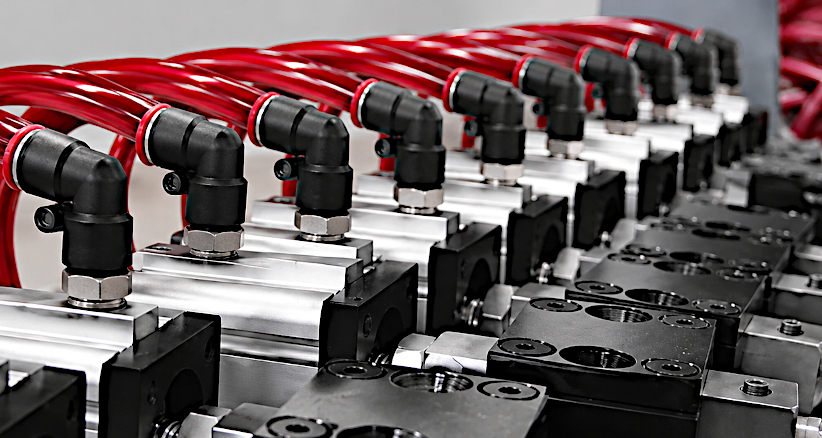
Pneumatic systems
Lue lisää ilmalämpöpumpun huollosta ja pidä järjestelmäsi kunnossa mahdollisimman pitkään.
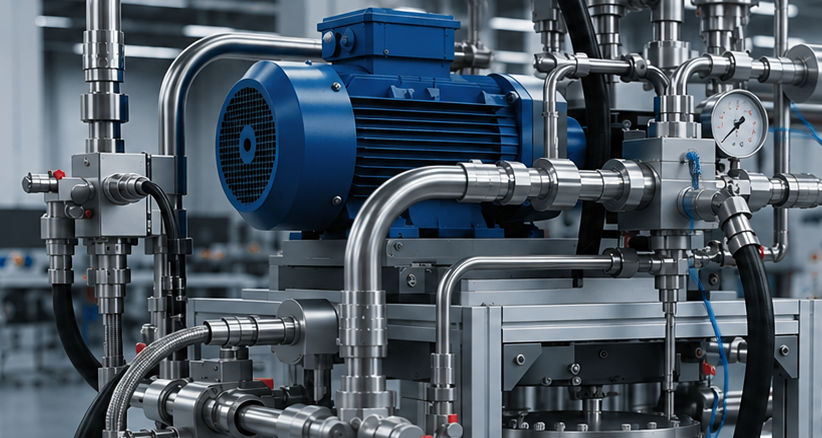
Hydraulic systems
Katso Mitsubishi Electricin laajasta valikoimasta juuri sinun kotiisi tai yritykseesi sopiva ratkaisu.
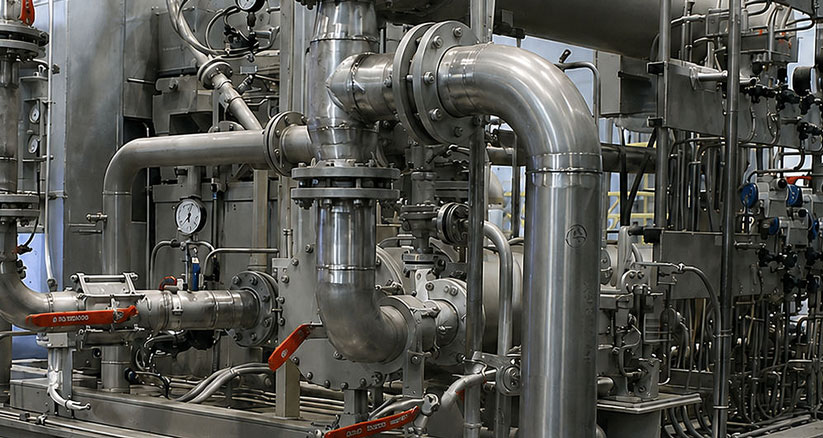
Process piping systems
Katso vastaukset yleisimpiin kysymyksiin ja löydä nopeasti tarvitsemasi tieto.